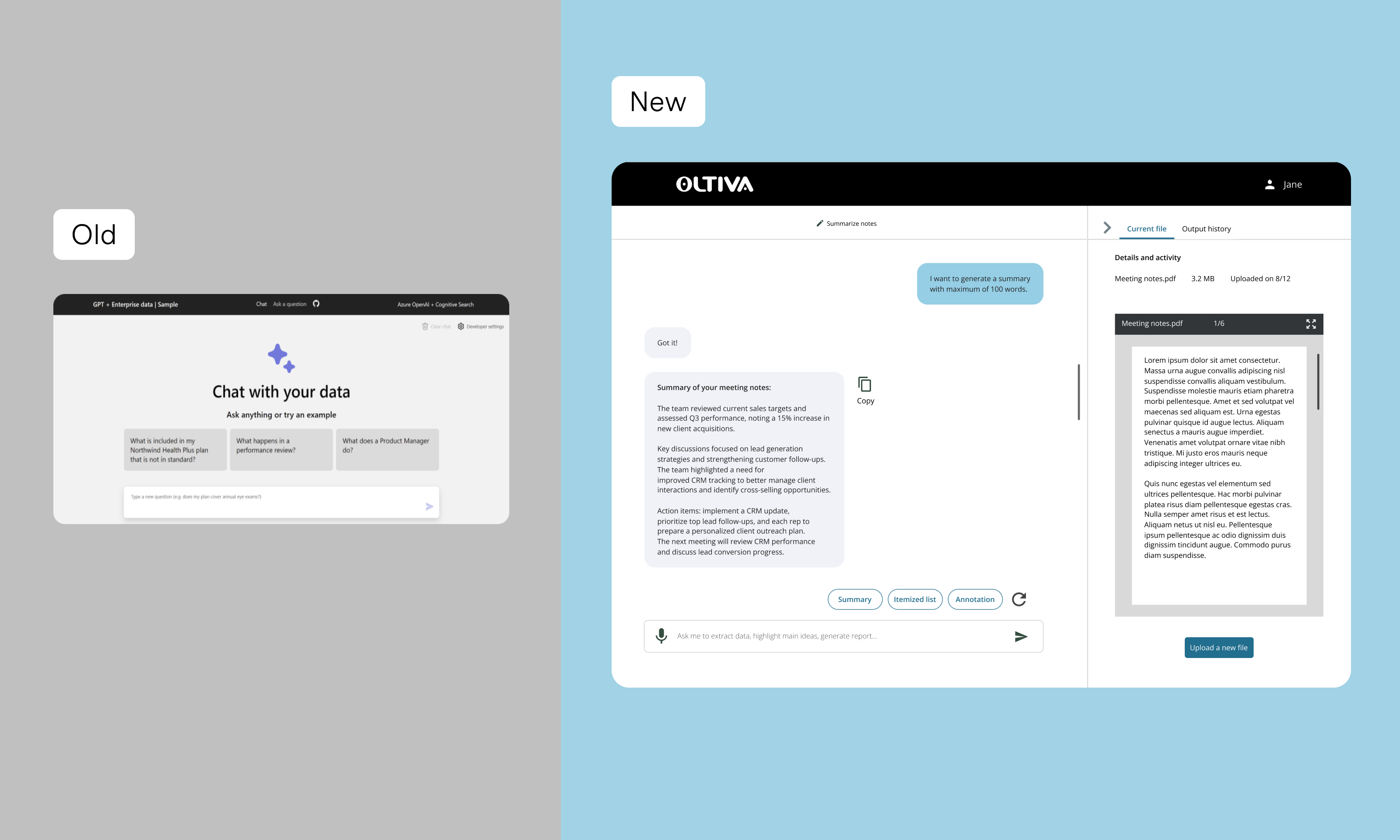
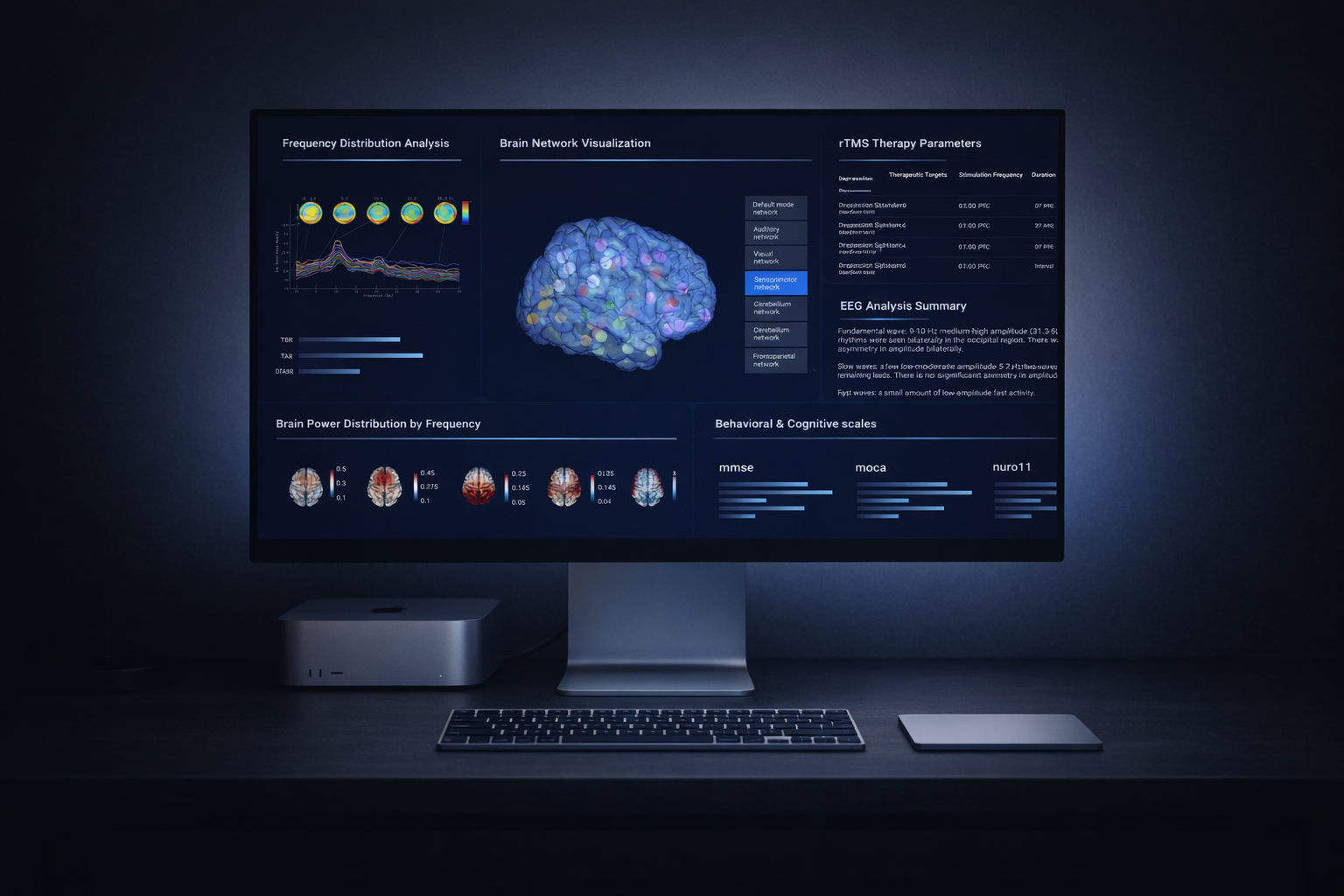
I redesigned a TMS (Transcranial Magnetic Stimulation) dashboard that had been rejected three times due to a lack of visual credibility. When stakeholders asked for “sci-fi vibes,” I reframed it into a clinical authority system focused on precision, safety cues, and cognitive clarity. The redesign helped the project pass a national clinician vote and secure Phase 2 live-data integration approval.
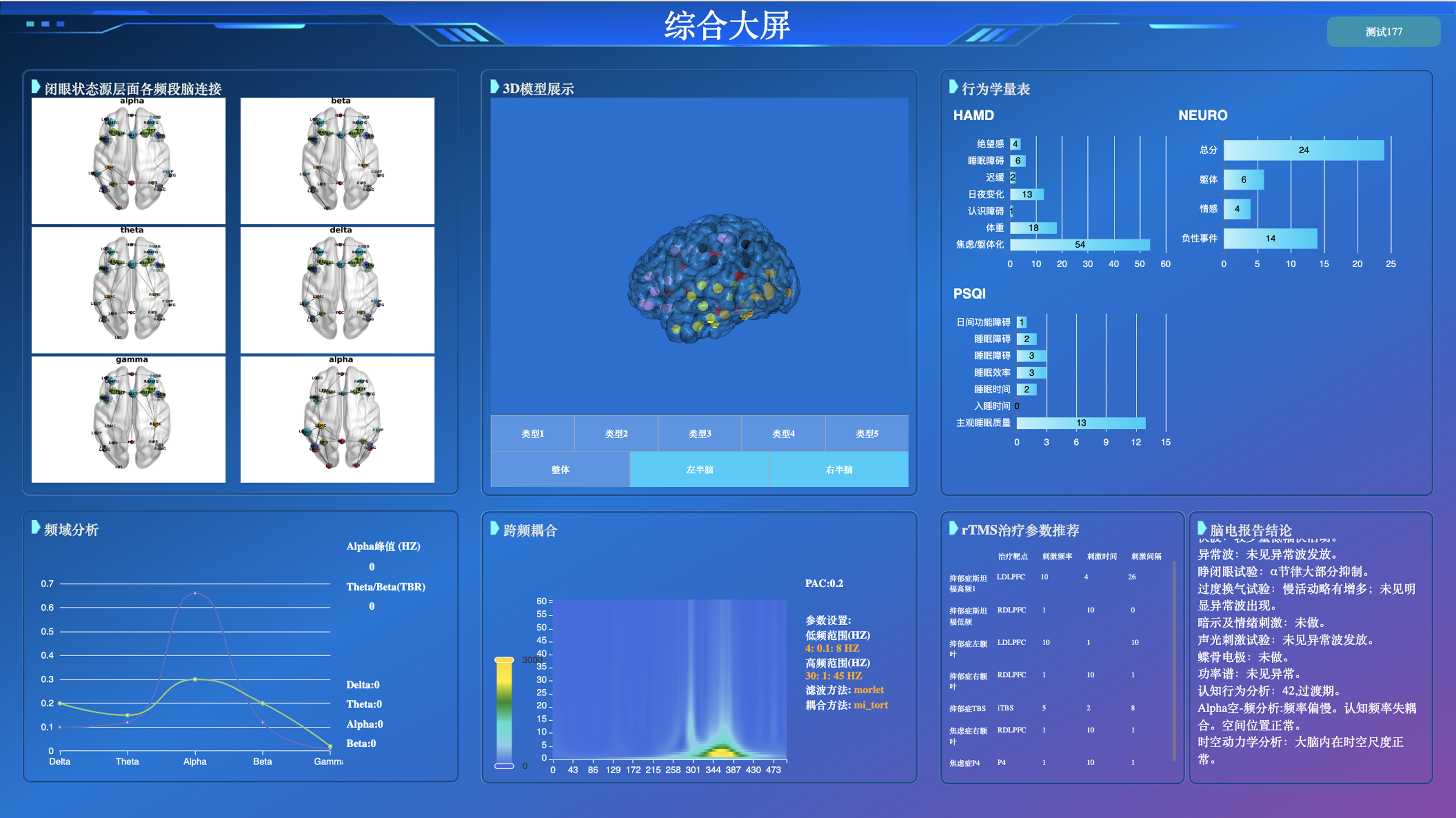
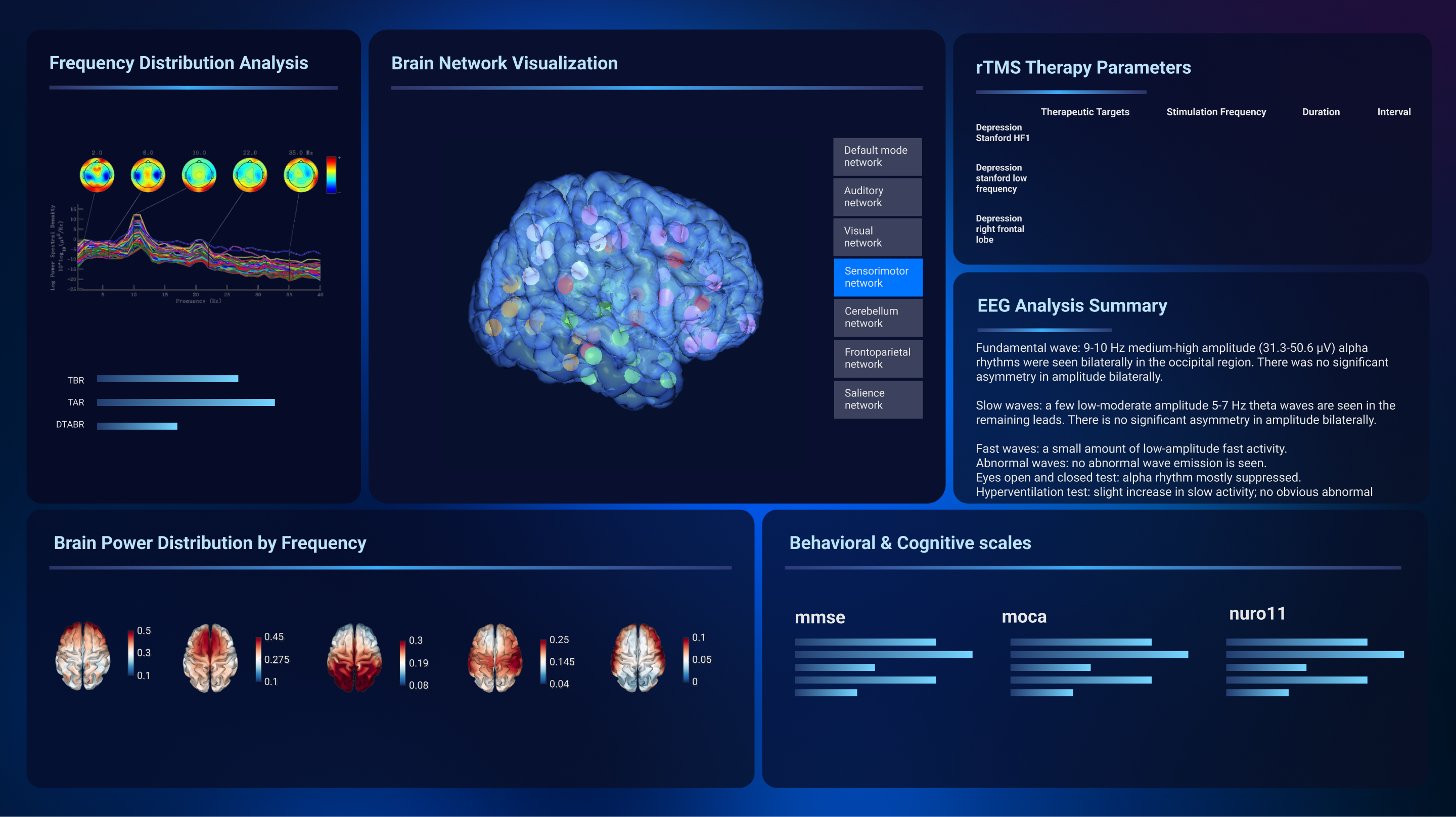
The original interface was functional but visually noisy—dense panels, unclear hierarchy, and a generic UI feel. The redesign reframed the product into a disciplined Dark Cockpit system where contrast, spacing, and active-state logic communicate control and readiness.
Clinical dashboards aren’t just “screens”—they represent credibility.
Shenzhen People’s Hospital, in collaboration with Stanford mentors, runs national TMS (Transcranial Magnetic Stimulation) training programs. In these workshops, clinicians rely on a dashboard to verify stimulation targets and interpret brain responses—often in real time. This means the interface is part of the clinical decision workflow where clarity and credibility directly affect adoption.
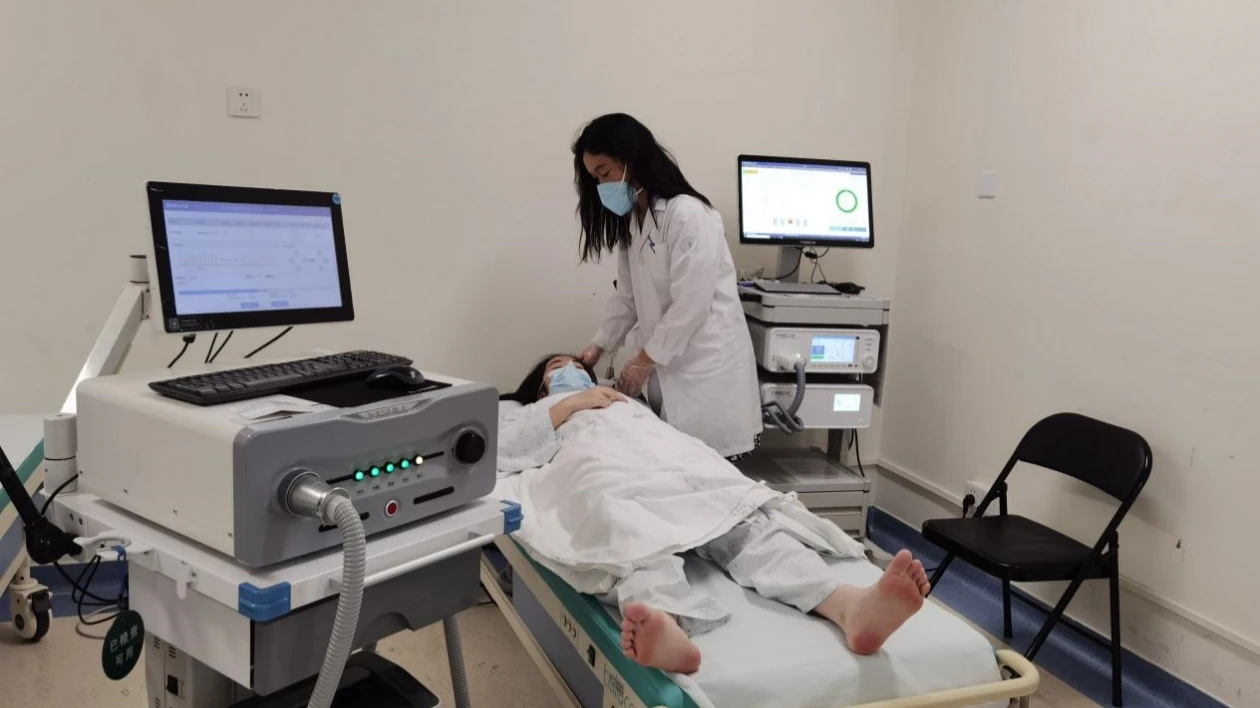
The demo worked—but it didn’t feel safe.
Despite functional backend logic, the project was stalled. Over two months, the demo had been rejected three times. Stakeholders hesitated to approve it for live patient data because the interface felt “cluttered” and “unprofessional.”
The “Dark Cockpit” Authority System
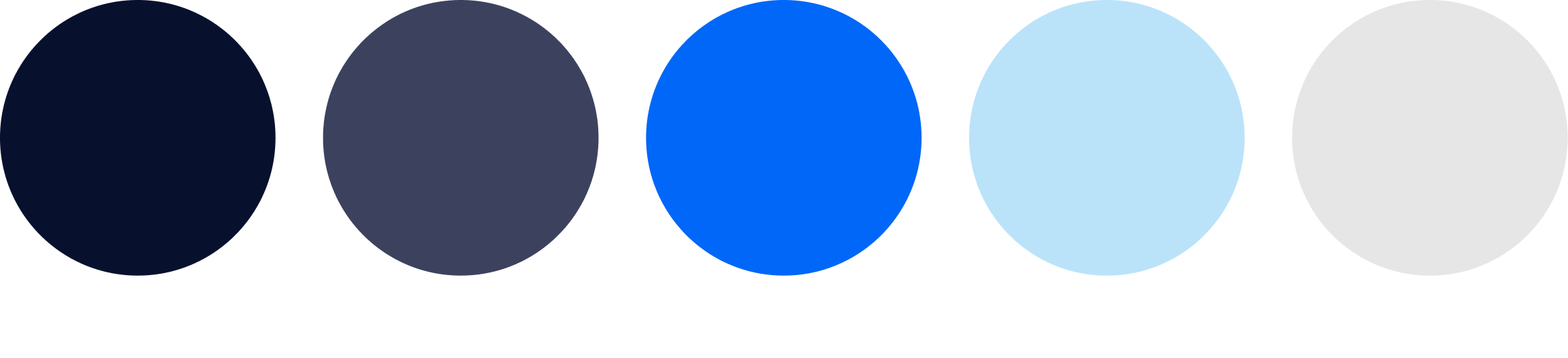
Color System: Deep Navy & Electric Blue
I shifted from a generic light theme to a dark, controlled palette—directly inspired by medical imaging software and cockpit interfaces.
- Deep Navy (#0A1A2F): The foundation. Creates focus, reduces glare, and signals "advanced technology." In professional medical contexts, dark = serious, precise, trustworthy.
- Electric Blue (#2A8CFF): Reserved for active states, interactive elements, and critical data. High contrast ensures key information is instantly scannable.
- Neutral Grays: For secondary information and structural elements—present but never competing with active data.
Workflow-Driven Layout
Instead of a generic information layout, I restructured the dashboard to mirror the clinical decision flow:
Visual Hierarchy for Rapid Scanning
- Data density increased, but cognitive load decreased — By grouping related information and using consistent spacing, clinicians can now parse the screen in seconds
- Active states are unmistakable — When a parameter is selected or stimulation is running, the Electric Blue highlight leaves no ambiguity
- Progressive disclosure — Advanced settings are available but tucked away, reducing noise for the primary workflow
The redesign unblocked the future.
The redesign did what code alone couldn’t: it shifted stakeholder perception from skepticism to confidence—and cleared the path for real-world adoption.